
Complete Guide to Implementing Electronic Shelf Labels in Large Stores
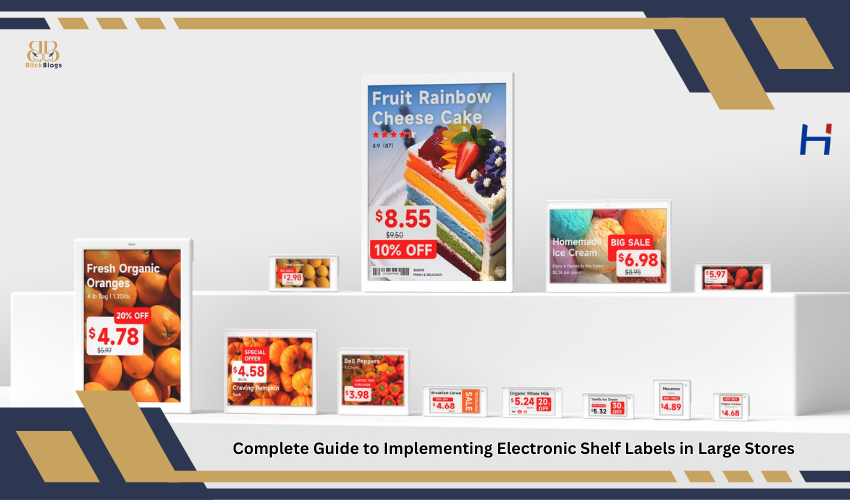
Rolling out Electronic Shelf Labels (ESLs) across hundreds or even thousands of retail aisles isn’t a simple hardware swap. It’s a transformation that touches pricing operations, inventory systems, staff workflows, and customer experience. But done right, the benefits cost savings, accuracy, operational efficiency, and smarter pricing can be transformative.
In this guide, we walk through every step of successfully implementing ESL technology in large retail environments, with insights that apply to supermarkets, big-box stores, and global retail chains.
Leading the charge in ESL and digital store systems is Hanshow, whose solutions power smart pricing and connected shelf networks at scale.
Table of Contents
What Electronic Shelf Labels (ESLs) Are
Electronic Shelf Labels are digital price displays that replace paper tags on retail shelves. They connect wirelessly to pricing and inventory systems, allowing instant updates across entire store networks without manual intervention.
ESLs deliver price, product info, promotions, QR codes, and unit pricing all updated from centralized systems in real time.
Why Large Stores Are Shifting to Digital Shelf Labels
Retailers adopt ESLs because they solve key operational challenges:
-
manual price updates are expensive and slow
-
paper tags cause pricing errors
-
promotions can’t keep up with competition
-
customer complaints arise from price mismatches
-
sustainability goals push paper waste reduction
With ESLs in place, pricing becomes accurate, synchronized, and automated improving margins and customer trust.
Planning Your ESL Implementation Strategy
Define Clear Objectives
Before technology selection, define business goals:
-
reduce pricing labor costs
-
improve pricing accuracy
-
enable dynamic pricing
-
integrate pricing with inventory and promotions
Scope Your Deployment
Decide whether to:
-
launch ESLs in phases
-
start with one department (e.g., fresh foods)
-
implement store-by-store regionally
-
deploy all labels at once
Large stores often benefit from phased rollouts that allow testing and iteration.
Choosing the Right ESL Hardware and Software
Not all ESL solutions are identical. Look for features that matter most for large retail environments:
✔ Reliable wireless connectivity
✔ Long battery life
✔ Clear visibility under store lighting
✔ Integration with backend systems
✔ Support for dynamic content and promotions
✔ Robust management and reporting tools
For example, advanced series from leading providers are designed for durability, long battery life, and easy deployment across thousands of labels.
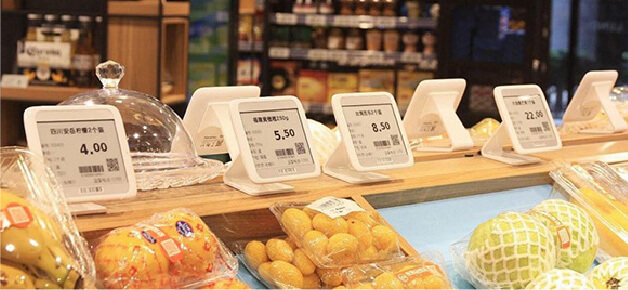
This gives readers a direct option to explore actual hardware solutions without interrupting the content flow.
Network Infrastructure and Connectivity Considerations
ESL systems depend on wireless networks to communicate with central servers.
Key Network Planning Steps
-
ensure full store Wi-Fi or dedicated ESL radio coverage
-
plan for signal overlap and redundancy
-
mitigate interference from shelves or infrastructure
-
establish secure, robust data channels
Connectivity planning prevents update delays or dropped signals, ensuring price changes reach every label instantly.
Integrating ESLs With Your POS and Back-Office Systems
ESL systems are most powerful when integrated with:
-
point-of-sale (POS) platforms
-
pricing engines
-
inventory management systems
-
ERP or merchandising systems
This integration ensures:
-
shelf prices always match checkout
-
promotions apply consistently
-
pricing changes trigger markdowns or inventory actions
Seamless connection between systems eliminates manual reconciliation and data entry.
Installation Best Practices and Timeline
Before Installation
✔ Conduct a site survey
✔ Test hardware and wireless coverage
✔ Map labeling requirements by department
✔ Establish labeling standards
During Installation
✔ Label placement should be ergonomic and visible
✔ Assign zones for team deployment
✔ Confirm signal connectivity before final placement
In large stores, a typical installation timeline might span:
-
pre-deployment planning (2–4 weeks)
-
phased label rollout (1–3 months depending on store size)
-
full system integration and testing (1–2 months)
Allowing time for testing ensures smooth price updates post-deployment.
Staff Training and Change Management
ESLs change how staff work. Instead of replacing tags, employees focus on:
-
customer assistance
-
inventory management
-
merchandising execution
-
quality reviews
Training Focus Areas
✔ Using central ESL dashboards
✔ Scheduling price changes
✔ Troubleshooting connectivity
✔ Running reports
✔ Supporting dynamic promotions
Good training accelerates adoption and reduces resistance to new processes.
Measuring Success With Key Performance Indicators
Track impact with measurable indicators:
Operational Metrics
-
reduction in pricing labor hours
-
decrease in pricing errors
-
faster promotion turnaround
-
scanning accuracy checks
Financial Metrics
-
labor cost savings
-
lost sales avoided
-
boost in promotional revenue
-
waste reduction
Baseline data before ESL deployment helps quantify improvements.
Ongoing Maintenance and Future-Proofing
ESL deployments require long-term support:
✔ battery life management
✔ label replacement strategy
✔ software updates
✔ coverage expansion for growth
✔ analytics dashboard upgrades
Forward-thinking retailers also plan for smart store integration linking ESLs to inventory sensors, mobile apps, and AI-driven pricing tools.
Final Thoughts
Implementing Electronic Shelf Labels in large stores is not just a technology upgrade it’s an operational transformation. When planned and executed correctly, ESL systems deliver:
-
real-time pricing control
-
major labor cost reductions
-
improved customer experience
-
faster promotions
-
tighter pricing accuracy
In today’s competitive retail landscape, digital shelf labels aren’t optional they’re an essential foundation for data-driven, efficient, and customer-focused retail operations.
At BlickBlogs, we are dedicated to helping you shop more intelligently, spend more judiciously, and find superior value online. Regardless of whether you are a student, a parent, a fashion enthusiast, or just a sensible shopper, we link you to dependable savings opportunities and trustworthy buying options from your preferred brands across the globe
Subscribe
Sign up below to receive money-saving tips, frugal ideas, family-friendly recipes, and more.