
QIDI Tech and the Future of 3D Printing – From Hobby to Industrial Power
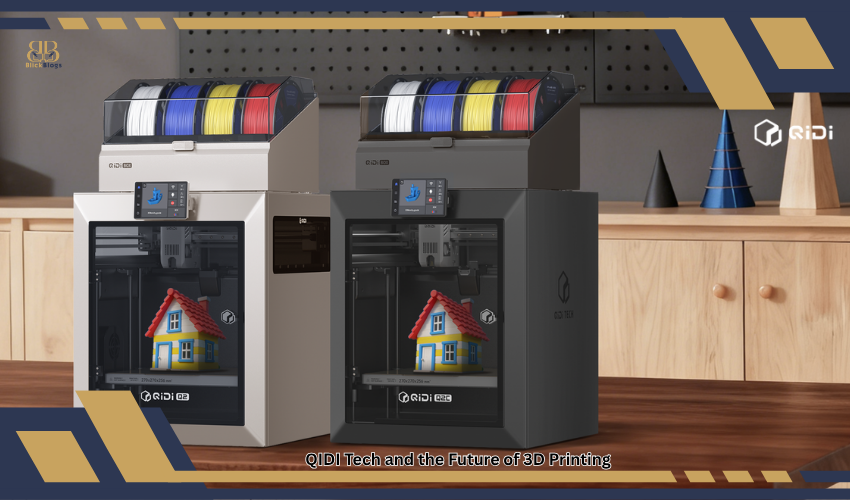
3D printing has come a long way from being a niche hobby. Today, it’s used in industries ranging from manufacturing to product design. What’s driving this shift is the rise of more powerful and affordable machines.
In this feature on Blicks Blogs, we explore how QIDI Tech is helping bridge the gap between hobby-level printing and industrial-grade performance.
TABLE OF CONTENTS
- Introduction
- The Evolution of 3D Printing
- What Makes QIDI Tech Stand Out
- Understanding FDM Technology
- QIDI Tech Product Line Explained
- Industrial Materials and Capabilities
- Who Uses High-Performance 3D Printers
- Real-World Applications
- Pros and Cons
- Final Thoughts
Introduction
3D printing is no longer limited to simple plastic models. With modern machines, users can now print durable, functional parts using advanced materials.
QIDI Tech has positioned itself as a key player by offering high-performance printers at competitive prices, making advanced printing more accessible.
The Evolution of 3D Printing
Earlier 3D printers were mainly used for:
- Basic prototypes
- Hobby projects
- Small plastic parts
Today, the technology supports:
- Engineering-grade materials
- Functional prototypes
- Small-scale manufacturing
What Makes QIDI Tech Stand Out
QIDI Tech focuses on delivering features typically found in expensive industrial machines.
Key Advantages:
- Heated chambers for stable printing
- High-temperature nozzles
- Competitive pricing
These features allow users to print materials that were previously difficult to handle.
Understanding FDM Technology
FDM (Fused Deposition Modeling) is one of the most common 3D printing methods.
How It Works:
- Filament is melted through a heated nozzle
- Material is deposited layer by layer
- The object is built from the bottom up
This method is widely used due to its affordability and versatility.
QIDI Tech Product Line Explained
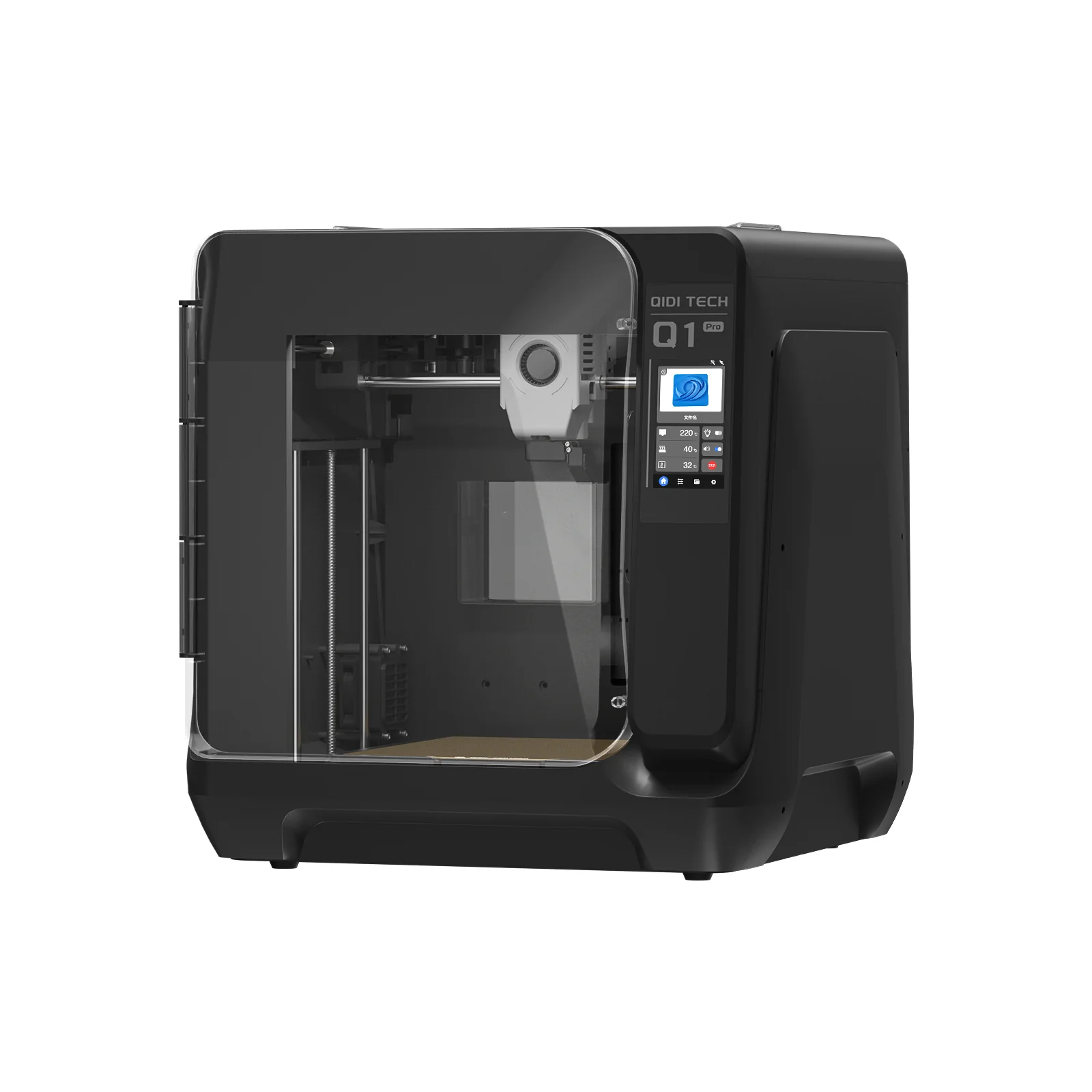
Q1 Pro
- Compact and fully enclosed design
- Heated chamber up to 60°C
- Ideal for hobbyists and small workshops
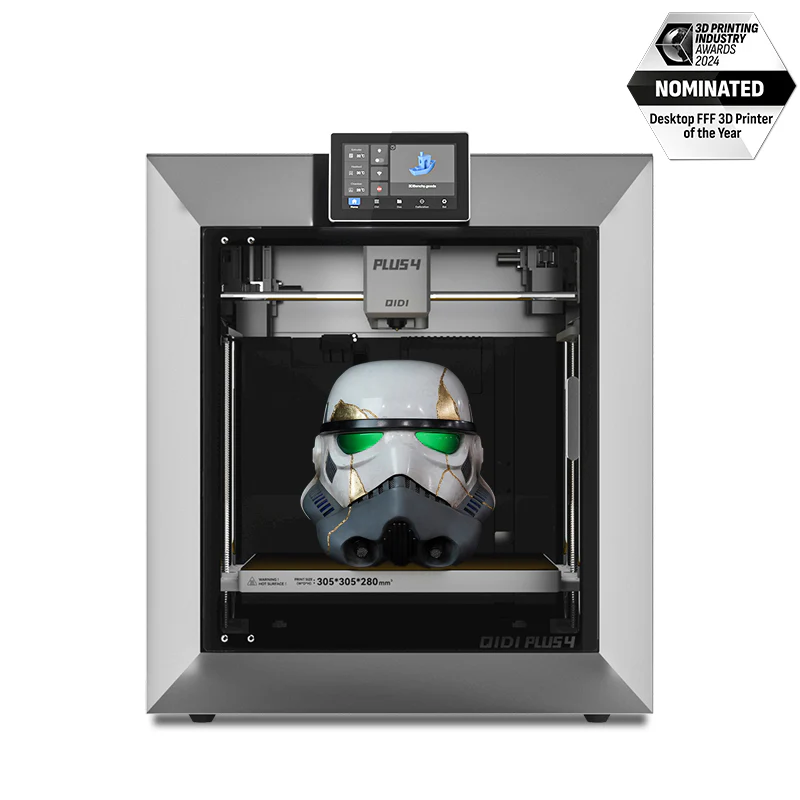
Plus4
- Larger build volume
- Industrial-grade performance
- Supports technical materials
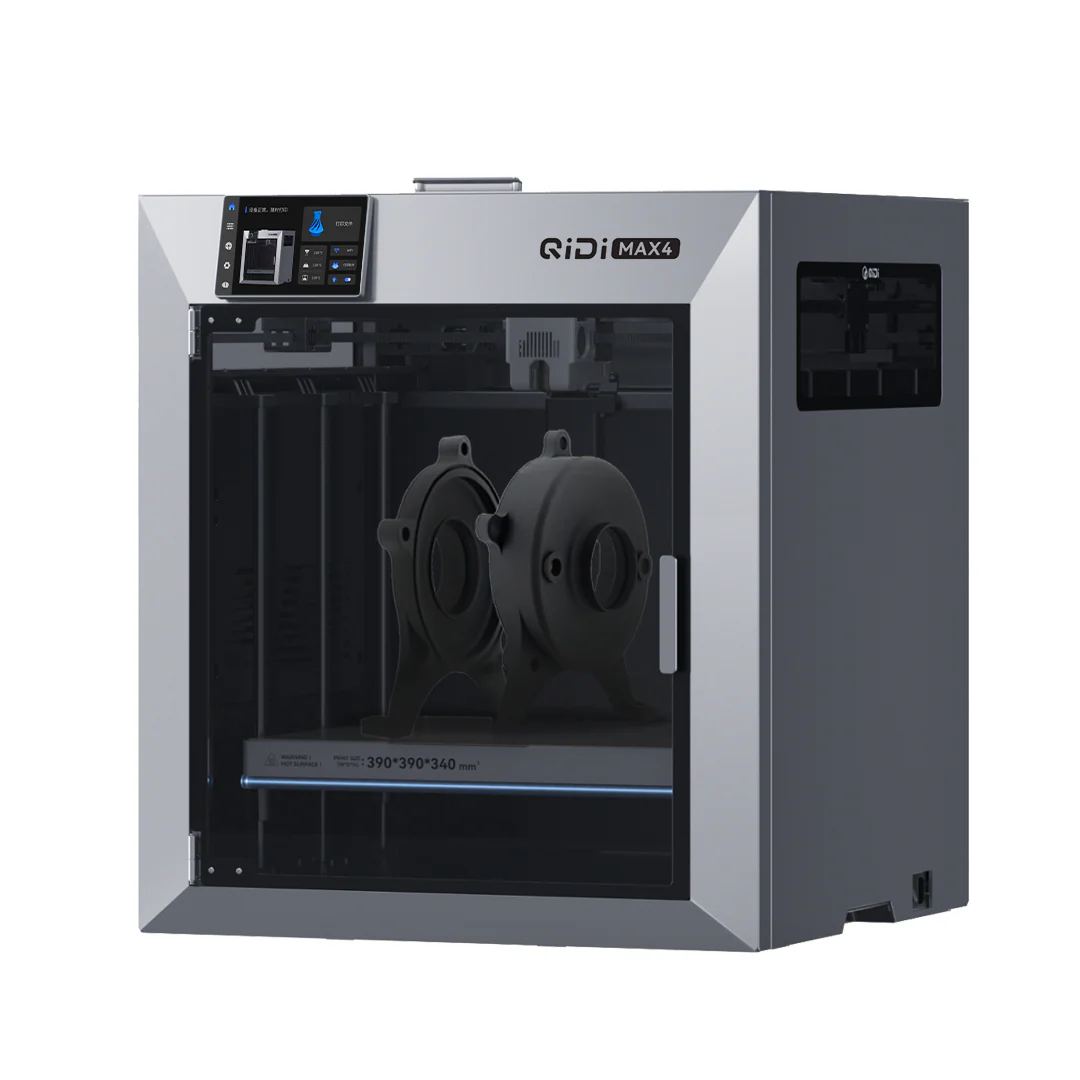
Max4
- Large-format printing
- High-temperature nozzle (up to 370°C)
- Advanced cooling system for speed
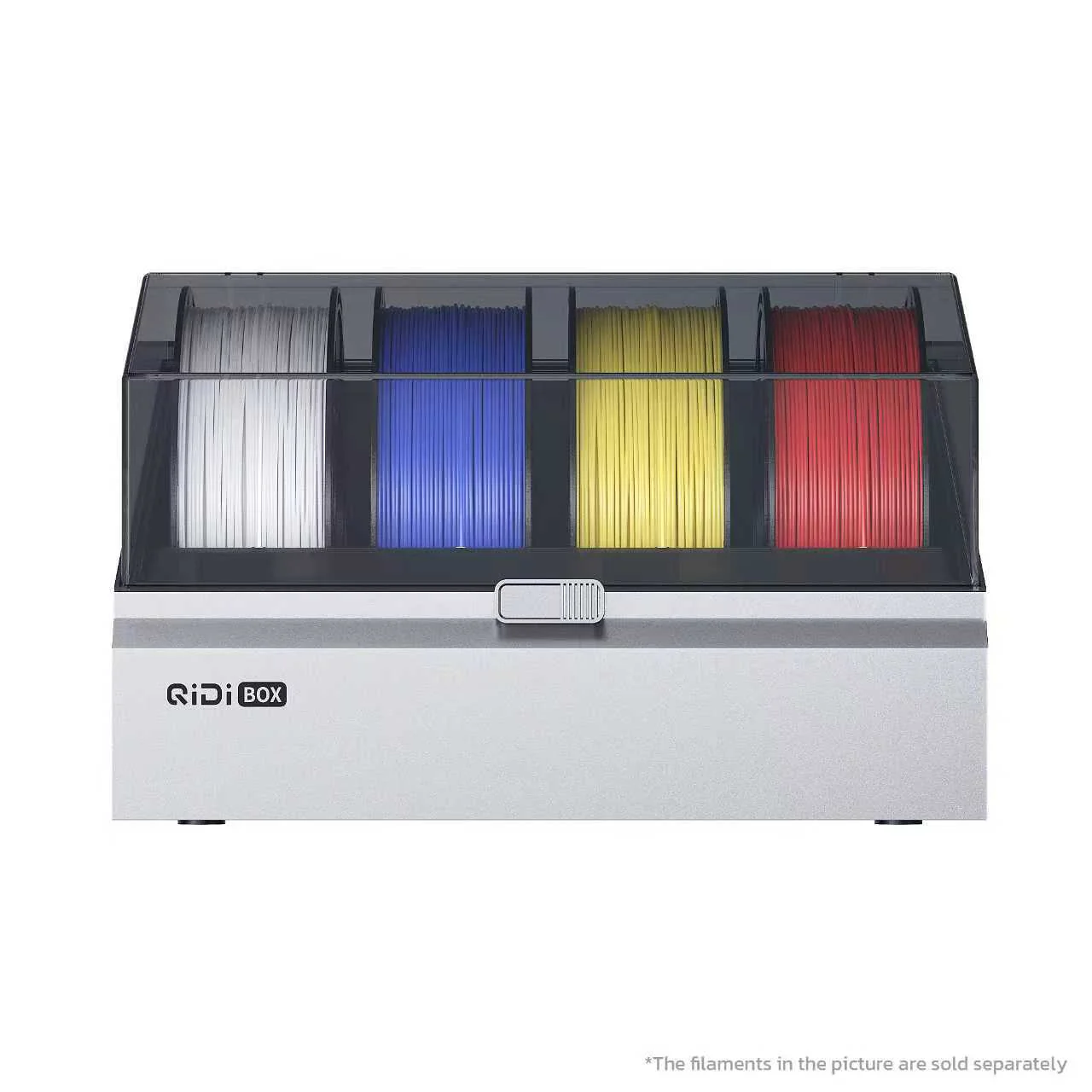
QIDI Box
- Multi-material system
- Automatic filament switching
- Supports multi-color printing
Industrial Materials and Capabilities
QIDI printers are designed to handle advanced materials such as:
- ABS
- Nylon
- Carbon Fiber composites
- PET-CF and PPS-CF
These materials are commonly used in engineering and industrial applications.
Who Uses High-Performance 3D Printers
Hobbyists
Looking to upgrade from basic printers.
Engineers and Designers
Creating functional prototypes.
Small Businesses
Producing custom parts or products.
Real-World Applications
- Product prototyping
- Tool and fixture creation
- Custom mechanical parts
- Educational projects
3D printing is becoming a practical tool for both personal and professional use.
Pros and Cons
Pros
- High-performance features at lower cost
- Supports advanced materials
- Suitable for both beginners and professionals
- Wide range of printer options
Cons
- Learning curve for advanced materials
- Requires proper setup and maintenance
- Larger models may need more space
Final Thoughts
QIDI Tech represents the next step in 3D printing evolution, where powerful features are no longer limited to industrial machines. By making advanced capabilities more accessible, it allows more users to explore what’s possible with modern 3D printing.
Whether you’re a hobbyist or a professional, investing in the right printer can open up new creative and practical opportunities.
For more tech insights and innovation trends, visit Blicks Blogs.
At BlickBlogs, we are dedicated to helping you shop more intelligently, spend more judiciously, and find superior value online. Regardless of whether you are a student, a parent, a fashion enthusiast, or just a sensible shopper, we link you to dependable savings opportunities and trustworthy buying options from your preferred brands across the globe
Subscribe
Sign up below to receive money-saving tips, frugal ideas, family-friendly recipes, and more.